REBAR
REBAR


 CEMENT



 PLUMBING
 ELECTRICAL
 SANITARY
 BATHWARE
 PAINT
PAINT



 FLOORING
 HARDWARE




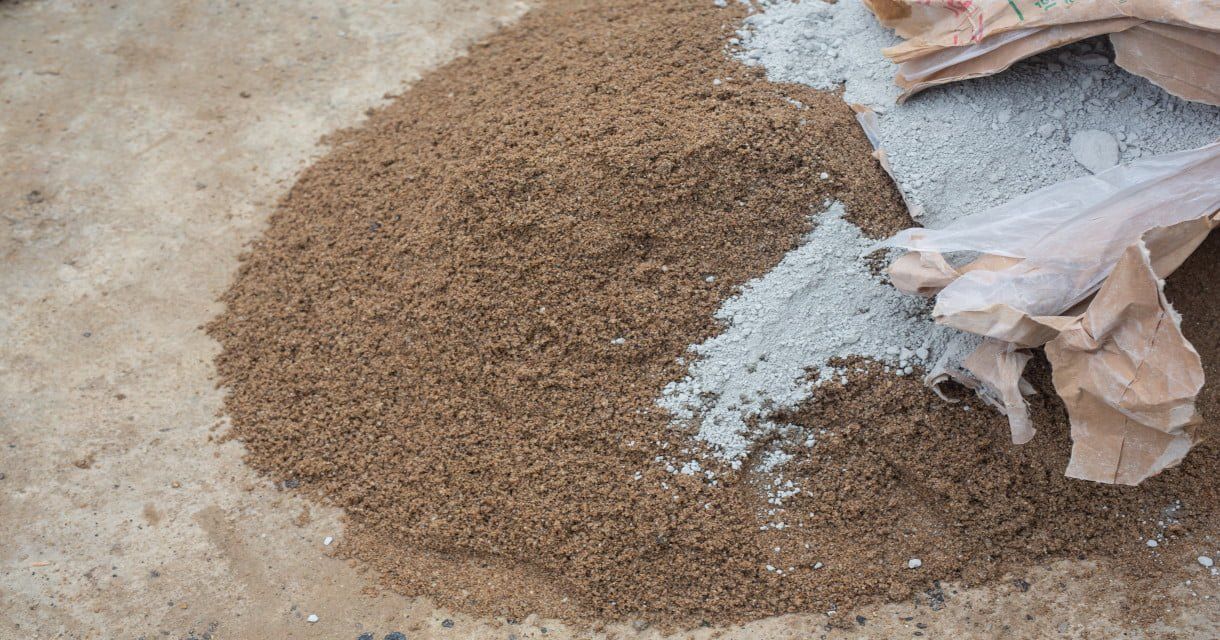
Core Building Construction Materials – Sand
Together with cement, sand is an essential component of mortars and concrete. As a result, the use of sand has a significant impact on the effectiveness and longevity of the concrete/mortar mixture.
Ideal Sand for house construction:
The best sand for construction is river sand. Nonetheless, filter sand and artificial sand are also used today due to their dearth and high cost. Sand prices are determined by the base cost, shipping costs, handling costs, and the number of middlemen.
Features of good quality sand:
- Must be clear, angular and hard.
- Must be free from clay, mica and soft, flaky material
- Should be graded, which means it should be a mix of fine, medium and coarse sand
- Must be free from contaminants like sea salt.
- Moisture (water) content must be consistent and should not exceed 7%. When mixing concrete the moisture content must be taken into consideration.
Selecting the right sand for house construction:
It is preferable to use good sand rather than filter sand, despite the fact that it is more expensive and difficult to come by. However filter sand is more affordable if money is a major concern. There is sand combined with soil or dust. By removing all the dust particles with water, filter sand can be improved. Depending on the nature of labour, you could also change the kind of sand you use. As an illustration, rough sand may be used for rcc slabs whereas fine sand can be used for plastering. A quick test for the sand’s quality is to hold it in your hand; it shouldn’t be sticky.
Manufactured Sand:
Due to the lack of good quality natural sand, manufactured sand, also known as M-sand, is being marketed by the government as a less expensive alternative to natural sand. Specialists affirm that artificial sand is not only a superior option than natural sand in many aspects, but also a realistic substitute. When compared to those employing natural sand, M-sand-based mortars and concrete are superior. The producers of ready-mix concrete already use synthetic sand.
Advantages of manufactured sand:
- For manufactured sand, suitable rock of the right quality for construction can be utilised;
- M-sand is rigorously graded to conform with BIS criteria, and it contains no clay.
- Consistent quality is ensured throughout the whole building cycle by tailoring the various grades according to the needs of the project.
- M-sand costs half as much as regular sand.
Types of Sands in Construction Use in Ranchi and other parts of India
Concrete Sand
One of the sand varieties produced in India from crushed concrete is called concrete sand. It is a typical ingredient in cement and asphalt blends. Large boulders and enormous fragments are removed from this sand by crushing it at the quarry and filtering it. It is a kind of coarse sand that can be used as a levelling base for layers, patios, and walking paths when combined with cement and water. It creates a solid mass that is utilised to fill the spaces between the coarse aggregates when combined with cement and water. It can be used to build softer pavements because it has smaller grains than crushed stone sand. It can, however, be used as a filler as well because it is larger than white sand. This sand is the perfect material for many uses due to its size and texture. It gives a building the bare minimum of stability.
Pit Sand
Due to its excellent binding properties, pit sand, one form of sand used in construction, is best suited for building construction. It is found 2-3 metres below the surface and is made up of gritty sand. It is naturally found in deep holes. It has coarse grains that are rough, sharp, angular, and have good binding characteristics. Due of the iron-oxide present, they appear red-orange. Because there are no salts in the grains of this construction sand, they don’t easily react with atmospheric moisture. They offer a sturdy and robust construction as a result of this quality.
River Sand or Natural Sand
River sand is a fine-quality construction sand that is typically discovered close to river banks and streams. One of the fine-graded sands used in building construction, this sand is white-grey in colour. They are primarily employed in masonry and concrete work. They can be utilised for many other brick or block projects, including RCC, plastering, and others. This sand has a softer feel and better-shaped grains overall. Natural sand or rivers need very little water. For many different uses, the moisture that is trapped between these particles is beneficial for concrete. 5 to 20% of river sand is silt, which is considered to be of medium grade.
Since river sand is naturally obtained, it costs less. Silica content can be found in these types of sand that are utilised in building. Consequently, before utilising it for building, it is important to examine the amount of silica present and make sure it is less than 5%.
M-Sand
Manufactured sand, often known as M-sand, is one of the sand kinds utilised in building in India. This kind of building sand is produced at a factory. It can be used in place of river sand while making concrete. Since the need for high-quality sand has been rising quickly, manufactured sand has been utilised. The cost of transporting sand from river beds is decreased since this form of construction sand is made by crushing hard granite. Because of the angular nature of its constituent particles, concrete is stronger. The sand requires more water because of these angular particles. By increasing the cement composition, this water consumption can be offset. It has no silt content because it is synthetically made. Certain forms of building sand don’t contain any large materials.
This kind of construction sands is also easily accessible. Since it is artificial and not natural, it can be free of many pollutants and the sand grain sizes can be adjusted to suit each need. There is extremely little chance that this sand will be adulterated because it is produced in a controlled setting, and M-sand production quality can be better managed. The M-sand gives concrete excellent durability and great strength. It lowers building defects and is incredibly cost-effective.
Utility Sand
Sand varieties that are utilised in construction include utility sand. This particular kind of sand is made from high-quality industrial quartz. Because to its homogeneous grain morphologies, this type of building sand offers great compaction and high mechanical qualities. Because they are non-reactive, they can be employed in corrosive conditions. They are entirely made of natural minerals, giving the structure remarkable stability and endurance.
Fill Sand
Sand used in construction, primarily for filling, is known as fill sand. It consists of aggregates and a variety of sand grains. It is made up of eroded, broken-down, and incredibly small rock fragments. It can primarily be utilised as a base material for paver construction, laying concrete, and filling sizable holes. Its high compaction qualities make it the ideal base material for a variety of uses during the construction of a building. It has many benefits when used as a backfill around septic tanks in moist locations to solve drainage issues.
It is important to take into account a few aspects while deciding on the types of sand to utilise in building. The silt percentage of the sand should be less than 3%, it shouldn’t include any organic compounds, and it shouldn’t have any contaminants of any type. Also, each variety of sand has unique qualities that should be carefully considered before being used in building. Some of the greatest sand types for usage in building construction are those that are mentioned above. To create something sturdy, pick the correct construction sands! So do leave a comment below letting us know how you found our blog.